8th Jul 2025
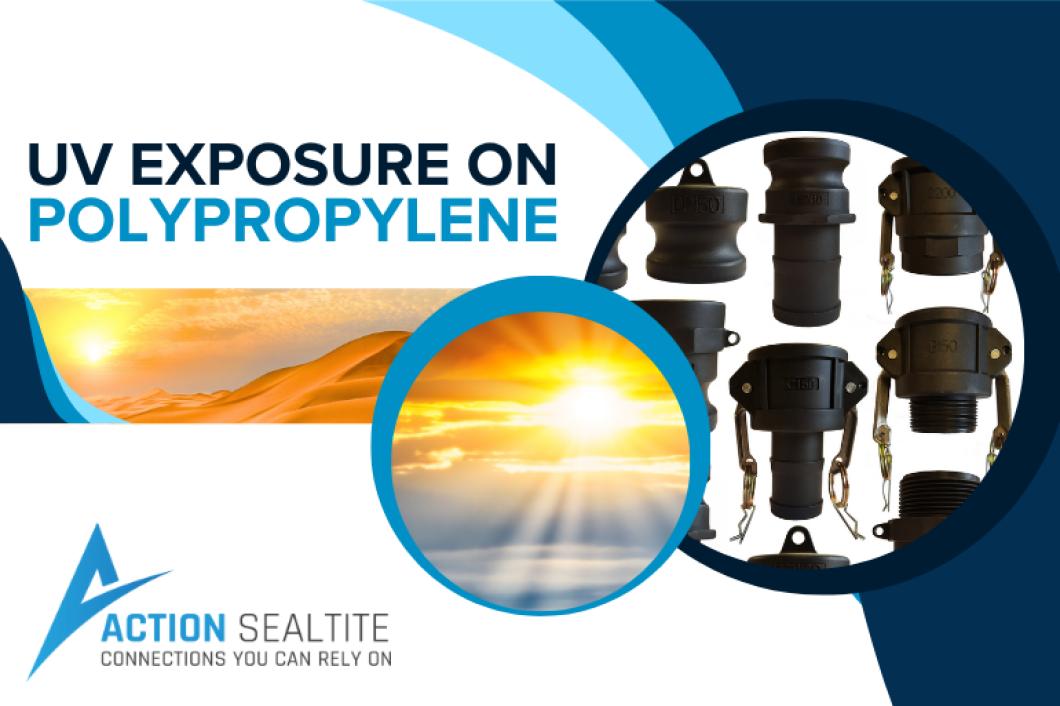
The Effects of UV Exposure on Polypropylene: A Case Study on Camlock Fittings
Polypropylene (PP) is a widely used material in Camlock Fittings due to its lightweight, chemical resistance, and cost-effectiveness. However, prolonged exposure to ultraviolet (UV) radiation can significantly degrade polypropylene, leading to material failure and costly operational disruptions. This case study explores the impact of UV exposure on high-cost Camlock Fittings in the Middle East, highlighting lessons learned and preventative measures to mitigate such risks.
Case Study:
What Happens when You Ignore the Risks of UV exposure on Camlock Fittings?
In a Middle Eastern petrochemical facility, high-value media was being transferred using a polypropylene Camlock Fitting. Despite their initial performance, these fittings began to show signs of degradation after just weeks of outdoor exposure. Cracks, discoloration, and reduced mechanical strength led to a catastrophic failure, resulting in the loss of valuable media and significant operational downtime.
Key Findings:
UV-Induced Degradation:
The primary cause of failure was prolonged exposure to intense UV radiation. The Middle East’s harsh climate, characterized by high UV indices, accelerates the photo-oxidation process in polypropylene, leading to surface cracking and brittleness.
Reference: ScienceDirect Study on UV Effects on Polymers
Economic Impact:
The failure not only resulted in media loss valued at thousands of dollars but also required emergency replacements, adding further costs.
Safety Concerns:
Leaks from failed Camlock Fittings posed significant safety risks, highlighting the importance of regular inspection and material suitability for specific environments.
Why does Polypropylene Fail Under UV Exposure?:
Polypropylene is susceptible to UV degradation due to its hydrocarbon-based structure. When exposed to UV rays, free radicals are generated, initiating a chain reaction that breaks down the polymer chains. Over time, this leads to:
- Loss of tensile strength
- Surface chalking and discoloration
- Increased brittleness
- In regions like the Middle East, where UV exposure is extreme, these effects are accelerated.
Preventative Measures:
Use UV-Stabilized Polypropylene: Incorporating UV stabilizers or additives during production can significantly enhance the material’s resistance to sunlight.
- Protective Coatings: Applying UV-resistant coatings to fittings can act as an additional barrier.
- Regular Maintenance: Routine inspections and timely replacements of fittings exposed to harsh conditions can prevent unexpected failures.
Reference: Polymer Engineering & Science Study on UV Stabilizers
Lessons Learned and Recommendations
This case underscores the importance of material selection and environmental considerations in industrial applications.
For operations in UV-intensive regions in the Middle East:
- Prioritize UV-Resistant Materials: Consider materials like stainless steel or UV-stabilized polymers for outdoor applications.
- Environmental Assessments: Evaluate the operating environment to anticipate material stressors.
- Educate Teams: Ensure maintenance teams are trained to identify early signs of UV-induced degradation.
Conclusion
The failure of polypropylene Camlock Couplings in the Middle East highlights the critical role of UV resistance in material performance. By understanding the effects of UV radiation and implementing preventative measures, industries can avoid costly disruptions and maintain operational safety.
For tailored advice on Camlock Couplings suited to UV-intensive environments, contact us at sales@actionsealtite.com or connect with us via WhatsApp using the icon.
Download Our Resources
For a deeper dive into material performance and industrial solutions, download The Ultimate Guide to Camlock Fittings or read our guide blog here. Stay ahead of potential risks with expert guidance tailored to your needs.